
Portrait Painting
Portrait painting represents particular people and has a long history extending to the ancient world. Portraits may communicate likeness, character, identity or social position. They depict rulers and public figures as well as friends, family members and the artists themselves.
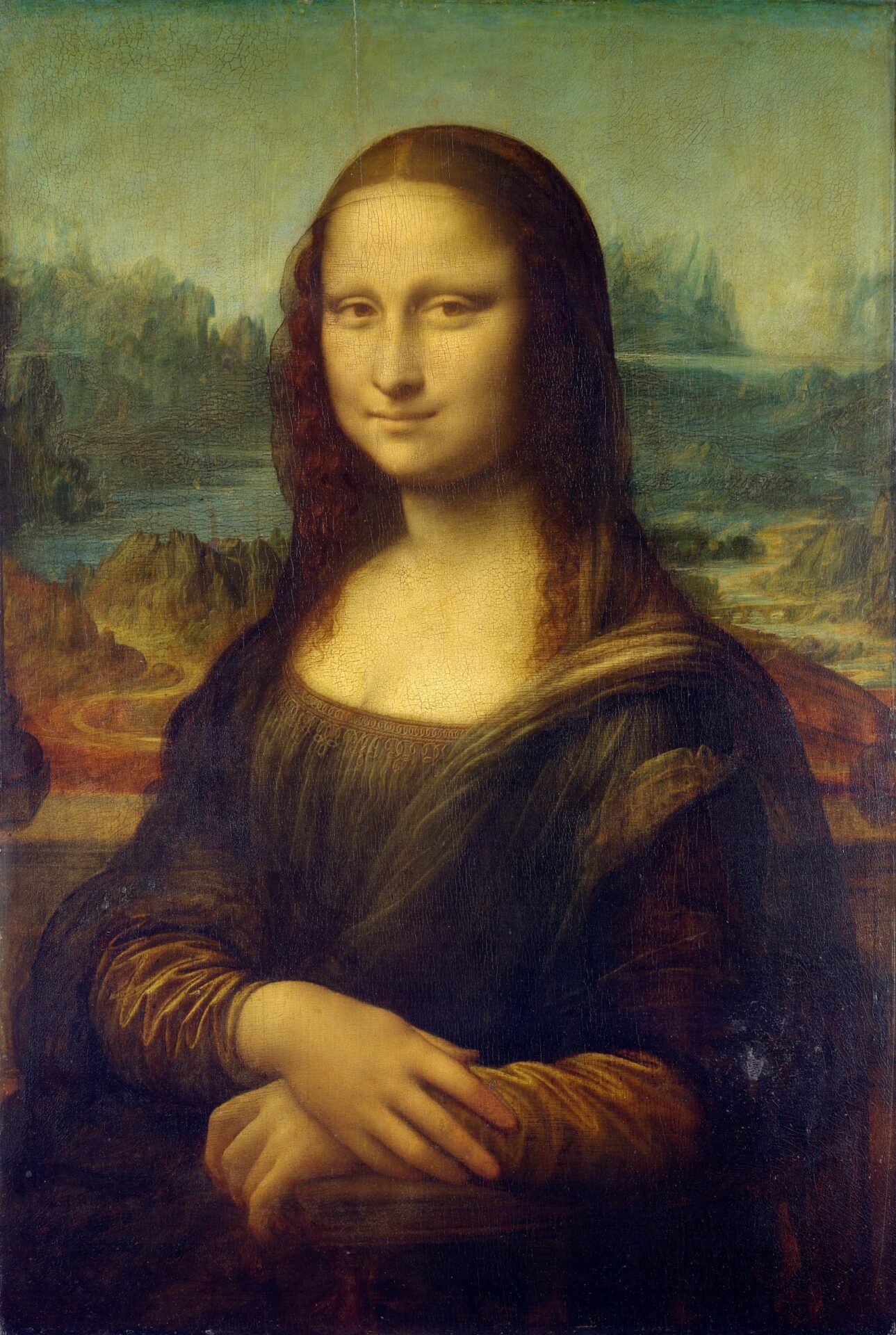
Portrait painters use many approaches to suggest an individual’s presence. Some pursue a close physical likeness through observation, light and shadow; others use stylization, expressive color or abstraction. A portrait need not be photorealistic to convey identity or character.
Some of the major painters associated with the portrait painting style include:
- Leonardo da Vinci (1452-1519) – Da Vinci was a master of many styles, but he is perhaps best known for his portraits, including the iconic “Mona Lisa.” His portraits were known for their use of sfumato, a technique in which colors are blended together to create a soft, hazy effect. Da Vinci was also interested in capturing the emotional states of his subjects, and his portraits often have a sense of mystery and intrigue.
- Rembrandt van Rijn (1606-1669) – Rembrandt was a Dutch painter who is known for his portraits as well as his landscapes and historical scenes. His portraits, such as “The Night Watch” and “Self-Portrait with Two Circles,” were known for their use of light and shadow, and their ability to capture the character and personality of his subjects. Rembrandt was particularly skilled at capturing the inner life of his subjects, and his portraits often have a sense of intimacy and psychological depth.
- John Singer Sargent (1856-1925) – Sargent was an American painter who is known for his portraits of the wealthy and famous, including figures such as Theodore Roosevelt, Henry James, and Madame X. His portraits were known for their sense of luxury and opulence, as well as their ability to capture the individuality of his subjects. Sargent was also skilled at capturing the textures and colors of clothing and fabrics, and his portraits often have a sense of glamour and elegance.
- Frida Kahlo (1907-1954) – Kahlo was a Mexican painter who is known for her self-portraits, in which she explored themes of identity, gender, and Mexican culture. Her portraits were known for their use of vibrant colors and bold, stylized forms, as well as their ability to capture the emotional states of her subjects. Kahlo was particularly skilled at capturing the complexities of the human form, and her portraits often have a sense of raw power and emotion.
- Chuck Close (1940-2021) – Close was an American artist known for large portraits based on photographs. His work ranged from highly detailed likenesses to images assembled from colorful abstract units within a grid, which resolve into a face when viewed from a distance.
Portrait painting has a long and rich history, and it continues to be an important art form today. Whether capturing the likenesses of famous figures or everyday people, portrait painters use their skills to create works of art that are both beautiful and insightful. The works of the major portrait painters have influenced countless artists, and their legacy continues to inspire and inform the practice of portrait painting today.