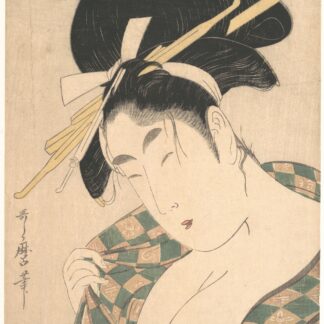
Browse Kitagawa Utamaro giclée prints, from portraits and scenes of family life to seasonal pastimes and studies of nature. Each product page lists the available materials and sizes. Our guide to giclée prints explains the paper and canvas options.
Explore Utamaro by Subject
Start with these selected works, or browse the full collection below.
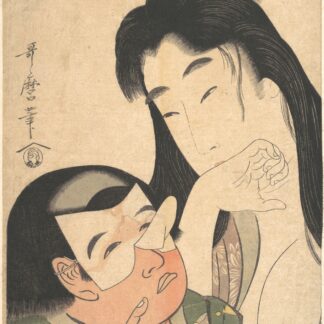
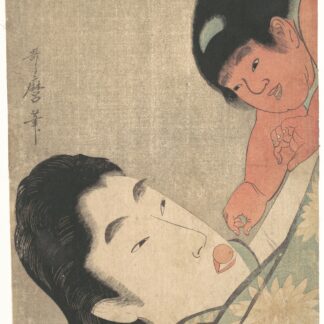
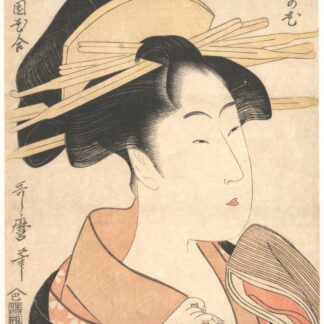
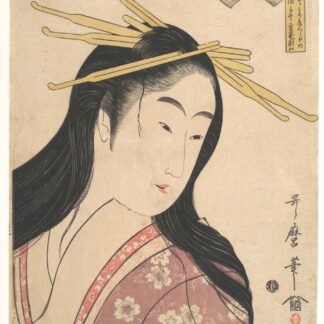
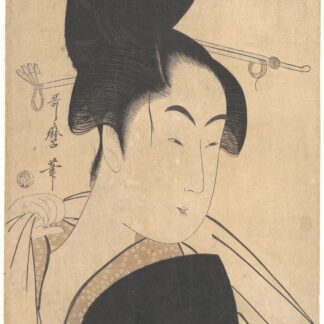
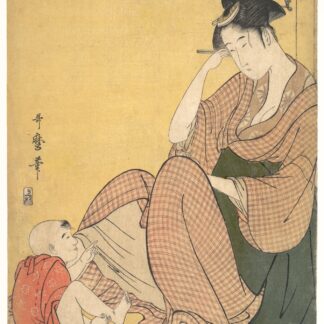
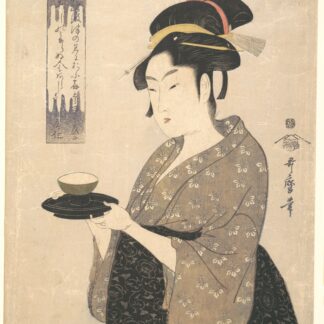
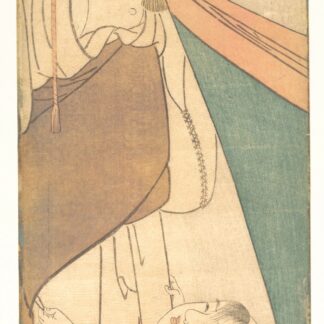
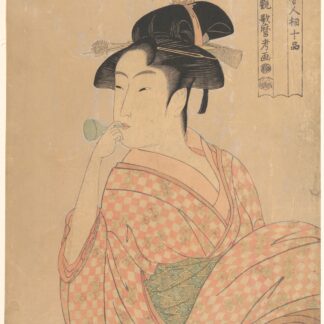
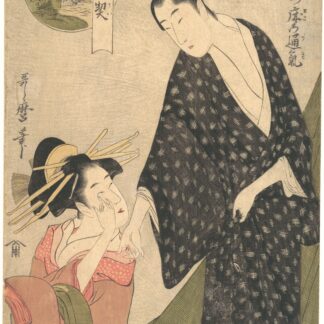
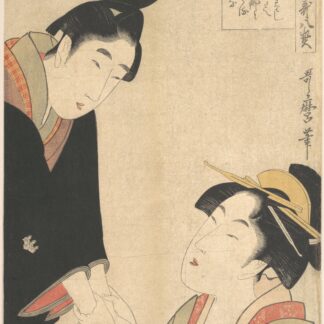
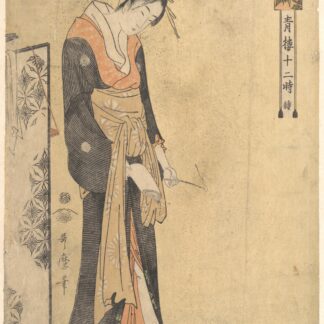
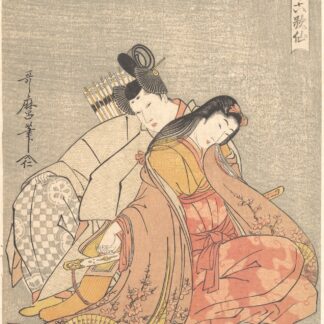
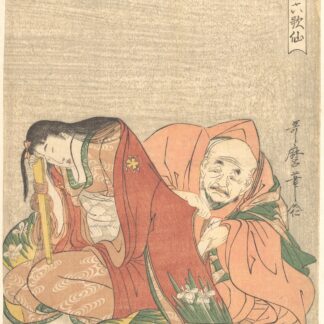
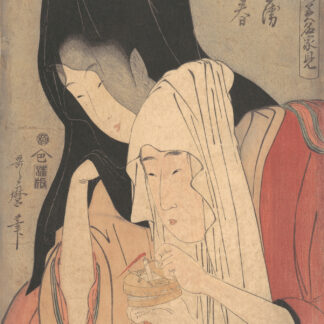
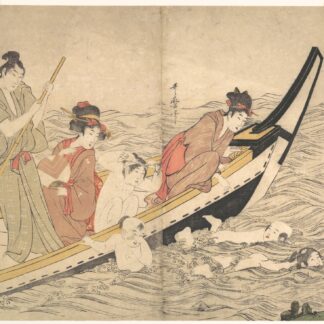
Kitagawa Utamaro was a Japanese painter and printmaker who lived during the late 18th and early 19th centuries. He is best known for his work as a printmaker in the ukiyo-e genre, which depicted scenes from the “floating world” of Edo’s pleasure districts. Utamaro’s prints often focused on the lives of women, particularly geishas and courtesans, and he became renowned for his sensitive portrayals of their beauty and grace.
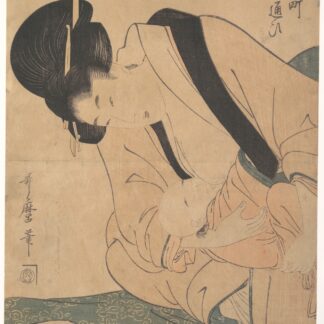
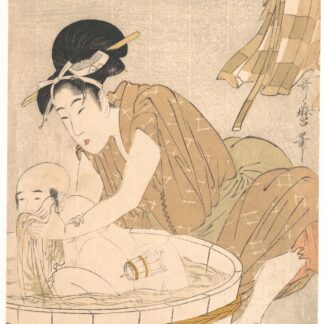
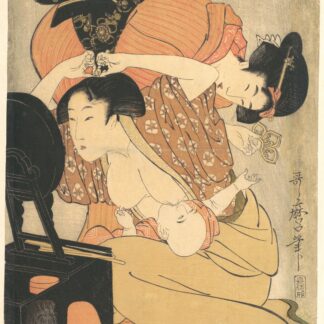
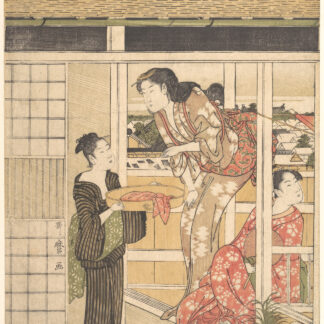
Utamaro’s prints were marked by their intricate detail and attention to texture, as well as their use of soft, subtle colors. He was particularly skilled at capturing the gestures and expressions of his subjects, and his prints often depicted women engaged in everyday activities such as dressing, bathing, and playing music. Utamaro’s work was hugely popular in his own time, and his prints were widely collected and admired by audiences throughout Japan and beyond.
Today, Utamaro’s prints are recognized as some of the most important and influential works of the ukiyo-e genre, and his legacy as an innovator in the history of Japanese art remains secure. His work continues to be exhibited in galleries and museums around the world, and his prints are prized by collectors and art enthusiasts alike for their beauty, sophistication, and cultural significance.
Browsing Utamaro, Kitagawa. Search and filters below narrow this collection. Clear all resets those choices. Shop all products