Goya, Francisco de
Browse Francisco de Goya giclée prints, including scenes from Los Caprichos, the Disasters of War and the Disparates, alongside drawings and paintings. Each product page lists the available materials and sizes. Our guide to giclée prints explains the paper and canvas options.
Explore the Goya collection
- Out Hunting for Teeth — Los Caprichos
- Animal Folly — Disparates
- Blind Guitarist — everyday life
- Seated Giant — imagination and shadow
- The Third of May — painting
About Francisco de Goya
Francisco de Goya was a Spanish painter and printmaker who lived from 1746 to 1828. He is considered one of the most important artists of the late 18th and early 19th centuries, and his work had a profound influence on the development of modern art. Goya began his artistic career as a painter of portraits and religious works, but he soon became known for his skillful use of light and shadow, as well as his bold, unconventional compositions.
Goya’s work is marked by its emotional intensity and its critical engagement with the social and political issues of his time. He was deeply influenced by the Enlightenment, and his works often reflect a skepticism towards religious and political authority. Some of his most famous works include “The Third of May 1808,” which depicts the execution of Spanish citizens by French soldiers, and “The Black Paintings,” a series of murals that he painted on the walls of his home in Madrid towards the end of his life.
Goya’s legacy has endured through the centuries, and his works continue to inspire and challenge viewers with their raw emotion and incisive social commentary. He is now considered one of the most important painters in the history of Western art, and his influence can be seen in the work of many later artists, including the Impressionists and Expressionists.
Browsing Goya, Francisco de. Search and filters below narrow this collection. Clear all resets those choices. Shop all products
Subject (0 selected)
Setting (0 selected)
Theme & activity (0 selected)
Place (0 selected)
Style & tradition (0 selected)
397 results


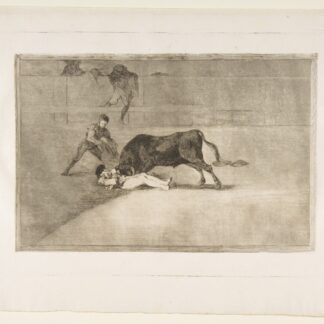
Plate 33 from the 'Tauromaquia': The unlucky death of Pepe Illo in the ring at Madrid.

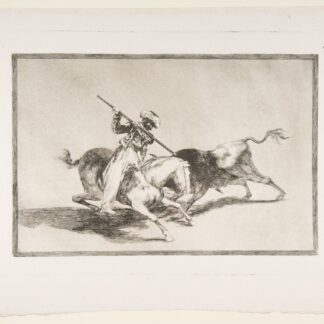
Plate 5 from 'The Tauromaquia': The spirited Moor Gazul is the first to spear bulls according to the rules

'Disorderly Folly' from the 'Disparates' (Follies / Irrationalities)

Plate 11 from the 'Tauromaquia': The Cid campeador spearing another bull

Plate 39 from 'Los Caprichos': And so was his grandfather. (Asta su Abuelo.)

Plate 75 from 'Los Caprichos': Is there no one to untie us? (¿No hay quien nos desate?)

Plate 21 from the 'Tauromaquia': Dreadful events in the front rows of the ring at Madrid and death of the mayor of Torrejon

Plate 25 from the 'Tauromaquia': They loose dogs on the bull

Plate 36 from 'Los Caprichos: A bad night (Mala noche.)

Plate 44 from 'Los Caprichos': They spin finely (Hilan delgado.)

Plate 43 from 'Los Caprichos': The sleep of reason produces monsters (El sueño de la razon produce monstruos)

A young woman looking into a well; folio 46 (verso) from the Madrid Album B

Three women, one in the foreground drawing water from a well, two in the background washing; folio 45 (recto) from the Madrid Album 'B'.

Maja and an officer; folio 22 (verso) from the Madrid Album 'B'

Plate 16 from 'The Disasters of War' (Los Desastres de la Guerra):' They make use of them.' (Se aprovechan.)

Portrait of a Young Man
![Plate 36 from 'The Disasters of War' (Los Desastres de La Guerra): 'Not [in this case] either.' (Tampoco.) — Goya](https://www.trgfineart.com/wp-content/uploads/2022/07/334470-scaled-324x324.jpg)
Plate 36 from 'The Disasters of War' (Los Desastres de La Guerra): 'Not [in this case] either.' (Tampoco.)

'Little Bulls' Folly' from the 'Disparates' (Disparates, Plate D)

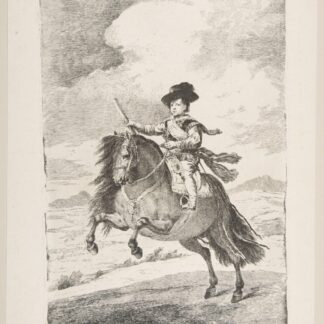
Baltasar Carlos on horseback, after Velázquez

Plate C: The dogs let loose on the bull.

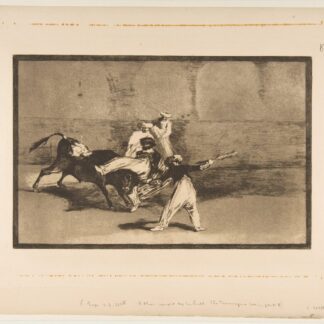
Plate 8 from the 'Tauromaquia': A moor caught by the bull in the ring

Plate 43 from 'Los Caprichos': The sleep of reason produces monsters (El sueño de la razon produce monstruos)

Figures inside a prison (recto), a monstrous animal (verso)