Goya, Francisco de
Browse Francisco de Goya giclée prints, including scenes from Los Caprichos, the Disasters of War and the Disparates, alongside drawings and paintings. Each product page lists the available materials and sizes. Our guide to giclée prints explains the paper and canvas options.
Explore the Goya collection
- Out Hunting for Teeth — Los Caprichos
- Animal Folly — Disparates
- Blind Guitarist — everyday life
- Seated Giant — imagination and shadow
- The Third of May — painting
About Francisco de Goya
Francisco de Goya was a Spanish painter and printmaker who lived from 1746 to 1828. He is considered one of the most important artists of the late 18th and early 19th centuries, and his work had a profound influence on the development of modern art. Goya began his artistic career as a painter of portraits and religious works, but he soon became known for his skillful use of light and shadow, as well as his bold, unconventional compositions.
Goya’s work is marked by its emotional intensity and its critical engagement with the social and political issues of his time. He was deeply influenced by the Enlightenment, and his works often reflect a skepticism towards religious and political authority. Some of his most famous works include “The Third of May 1808,” which depicts the execution of Spanish citizens by French soldiers, and “The Black Paintings,” a series of murals that he painted on the walls of his home in Madrid towards the end of his life.
Goya’s legacy has endured through the centuries, and his works continue to inspire and challenge viewers with their raw emotion and incisive social commentary. He is now considered one of the most important painters in the history of Western art, and his influence can be seen in the work of many later artists, including the Impressionists and Expressionists.
Browsing Goya, Francisco de. Search and filters below narrow this collection. Clear all resets those choices. Shop all products
Subject (0 selected)
Setting (0 selected)
Theme & activity (0 selected)
Place (0 selected)
Style & tradition (0 selected)
397 results


Plate 13 from 'Los Caprichos':They are hot (Estan calientes.)

Plate 11 from 'Los Caprichos': Lads Making Ready (Muchachos al Avío)

Plate 21 from ' Los Caprichos': How they pluck her! (¡Qual la descañonan!)

Plate 23 from 'Los Caprichos': These specks of dust (Aquellos polbos.)

Plate 27 from 'Los Caprichos': Which of them is the more overcome? (Quien mas rendido?)

Plate 22 from 'Los Caprichos': Poor little girls! (Pobrecitas!)

Plate 24 from 'Los Caprichos': Nothing could be done about It (Nohubo remedio.)

Plate 25 from 'Los Caprichos': If he broke the pot (Si quebró el Cantaro.)

Plate 16 from 'Los Caprichos': For heaven's sake: and it was her mother (Dios la Perdone: Y era su madre)

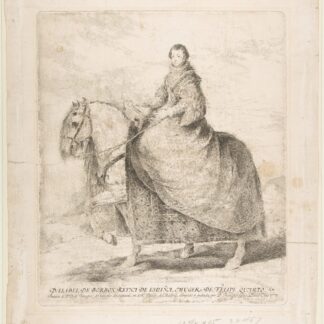
Isabel of Bourbon, Queen of Spain on horseback, after Veláquez

Plate 1 from 'Los Caprichos': Self-portrait

Old woman on a swing

Plate 4 from 'Los Caprichos': Nanny's boy (El de la rollona)

Plate 6 from 'Los Caprichos': Nobody knows himself (Nadie se conoce.)

Plate 2 from 'Los Caprichos' : They say yes and give their hand to the first comer (El si pronuncian y la mano alargen al primero que llega)

'If he Is guilty, let him die quickly' (Si es deliquente qe. muera presto)

Plate 49 from 'Los Caprichos': Hobgoblins (Duendecitos.)

Plate 2 from 'The Disasters of War' (Los Desastres de la Guerra): 'Rightly or wrongly.' (Con razon ó sin ella.)

Plate 26 from the 'Tauromaquia':A picador is unhorsed and falls under the bull

Plate 15 from 'The Disasters of War' (Los Desastres de la Guerra): 'And there is nothing to be done.' (Y no hai remedio.)

Plate 3 from 'The Disasters of War' (Los Desastres de la Guerra): 'The same. (Lo mismo'.)

Plate 58 from 'The Disasters of War' (Los Desastres de la Guerra): 'It's no use crying out.' (No hay que dar voces.)

Plate 5 from 'Los Caprichos': Two of a kind (Tal para qual)